Lexa: The Bold Font That Elevates Your Creative Projects
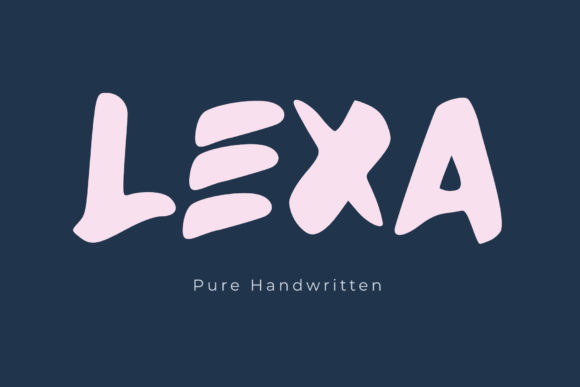
One of my favorite moments in the creative process is when I sit down with a blank canvas—whether it’s a new label design, a greeting card mockup, or a digital printable—and decide which font will bring the project to life. Recently, I’ve been experimenting with Lexa, a bold and chunky lettered display font that feels like it was made for making a statement. From candle labels to wedding invitations, Lexa has become an essential part of my toolkit.
Lexa for Candle Labels and Handmade Packaging
When designing custom candle labels, I always want something that catches the eye but still feels approachable. Lexa fits this perfectly. Its chunky, bold style adds a sense of personality without overwhelming the design. I recently used Lexa on a set of rustic wooden labels for a new line of soy candles. The font’s strong lines and clean edges gave the packaging a modern yet warm feel that matched the natural materials.
For small product labels, readability is key. I make sure to test how Lexa looks at different sizes, especially when printing on stickers or tags. It works best when paired with a clean sans serif font for the body text, ensuring clarity while keeping the design visually interesting. Lexa is also great for short phrases, names, and titles, making it ideal for boutique tags and seasonal products.
Lexa for Wedding Invitations and Elegant Branding
Wedding season is always a busy time for handmade creators, and Lexa has proven to be a reliable choice for creating elegant yet bold stationery. I recently designed a set of wedding invitations using Lexa for the main title. The font’s chunky letters added a touch of sophistication that complemented the delicate floral patterns on the paper.
When working on branding for a small shop or boutique, Lexa can help establish a strong visual identity. Whether it’s for logo design, signage, or social media graphics, its bold presence ensures that your brand stands out. I often pair Lexa with a simple serif font for headings and a modern sans serif for body text, creating a balanced and professional look.
Lexa for Greeting Cards and Planner Pages
Greeting cards are one of the most popular items in the handmade market, and Lexa has become a go-to font for adding a unique flair. I use it for the main message on birthday cards, thank-you notes, and holiday greetings. Its chunky style adds a playful yet refined touch that appeals to both kids and adults.
For planner pages and bullet journals, Lexa works well as a decorative font for headers or section titles. I find that it adds a nice contrast to minimalist layouts. When using Lexa on printed cards or digital templates, I always check the file formats and ensure that the font is properly embedded to avoid any issues during printing or sharing.
Lexa for Digital Printables and Wall Art
As a printable creator, I rely on fonts that are versatile and easy to work with. Lexa is perfect for digital printables, especially for wall art and decorative elements. I’ve used it on printable signs, quote art, and even as part of a larger design for a farmhouse-style wall display. Its bold nature makes it stand out, even when scaled down to smaller sizes.
When creating digital downloads, I always make sure to include Lexa in a way that allows customers to use it confidently. I recommend checking the included styles, alternates, and ligatures before selling physical products or templates. This ensures that users have all the necessary options to customize their designs effectively.
Lexa for Seasonal Products and Shop Branding
Seasonal products are a great way to keep your shop fresh and relevant, and Lexa helps elevate those designs. Whether it’s holiday tags, Christmas ornaments, or summer-themed stickers, the font adds a festive and eye-catching element. I’ve used Lexa on a set of holiday tags that were featured in a local craft fair, and the response was overwhelmingly positive.
For shop branding, Lexa can help create a cohesive look across all your products. From packaging to website banners, using the same font maintains brand consistency and makes your shop more recognizable. I also find that Lexa pairs well with other display fonts for a layered, dynamic effect that adds depth to your designs.
Lexa for Product Tags and Merchandise
When designing product tags for mugs, shirts, and tote bags, Lexa offers a bold alternative to traditional fonts. Its chunky style gives each item a unique character that sets it apart from the rest. I’ve used Lexa on a series of vintage-inspired tags for a line of hand-painted mugs, and it added a nostalgic yet modern touch.
For merchandise like T-shirts and tote bags, Lexa is great for short phrases and logos. I always consider how the font will look on fabric and test it on mockups before finalizing the design. It’s important to choose a font that remains legible at different sizes and scales, and Lexa does this exceptionally well.
Lexa for Web Design and Social Media Graphics
In addition to print-based projects, Lexa is also a valuable asset for web design and social media graphics. Its bold style works well on banners, Instagram posts, and email templates. I’ve used Lexa for a few promotional posts, and the attention it draws is impressive.
When working on digital content, I always make sure to test how Lexa looks on different platforms and screen sizes. It’s important to maintain readability and visual appeal, especially when using the font on smaller devices or in high-traffic areas like social media feeds.